海老原靖 Another
2026年7月7日(火)ー7月25日(土)
営業時間
火-金12:00 – 19:00
土-12:00 – 18:00
定休日:月日祝
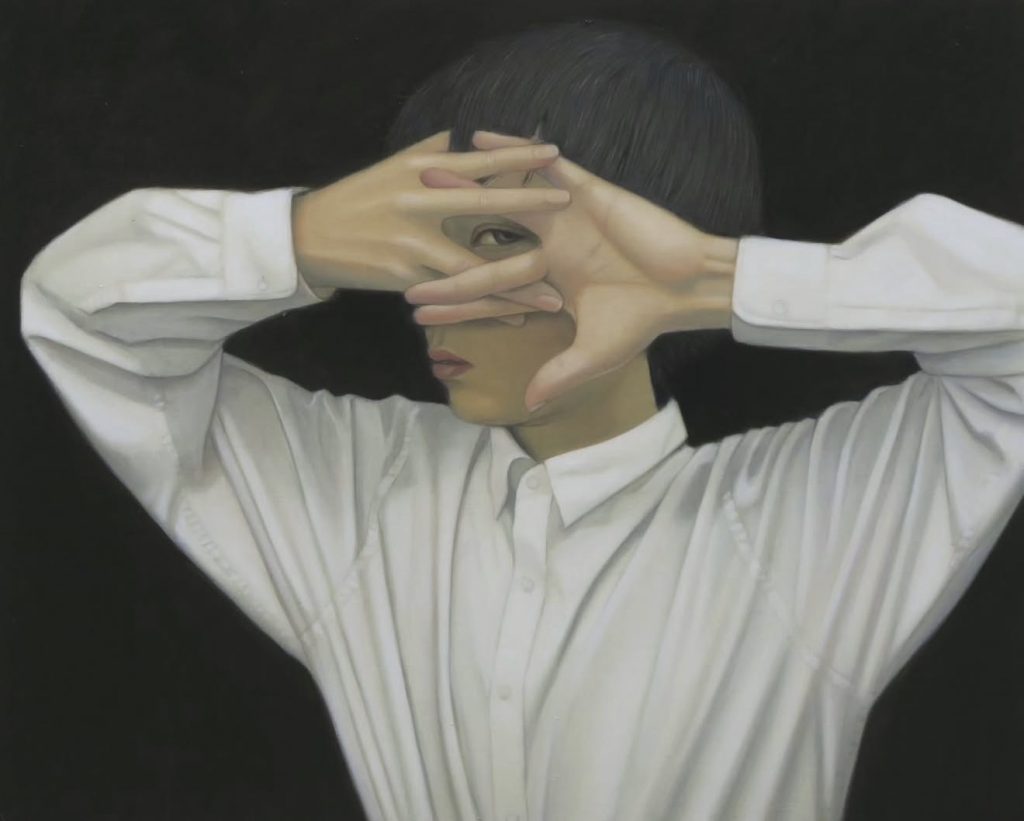
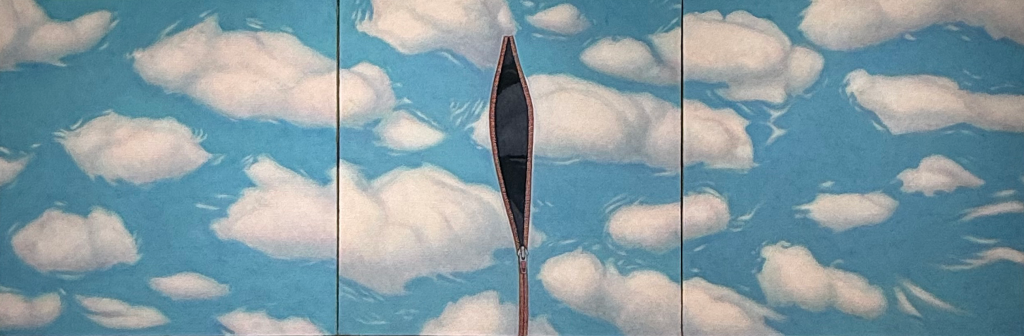
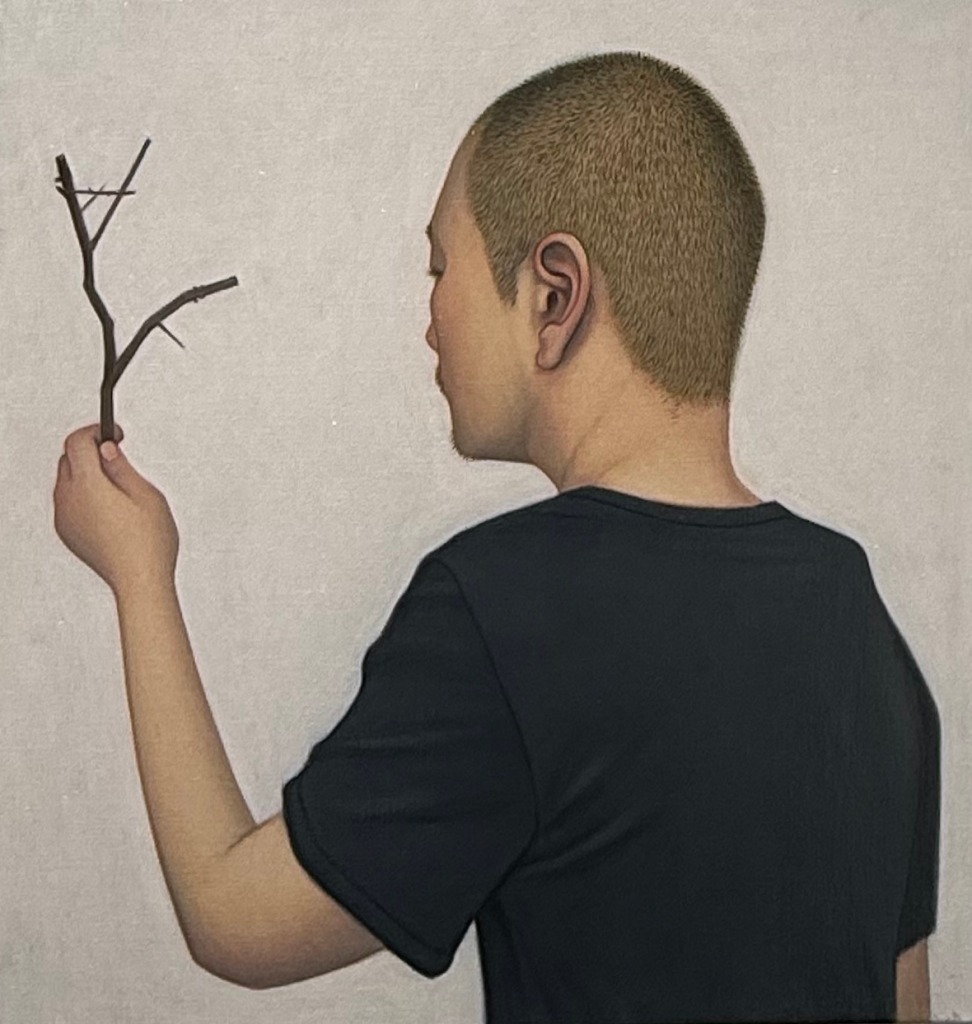
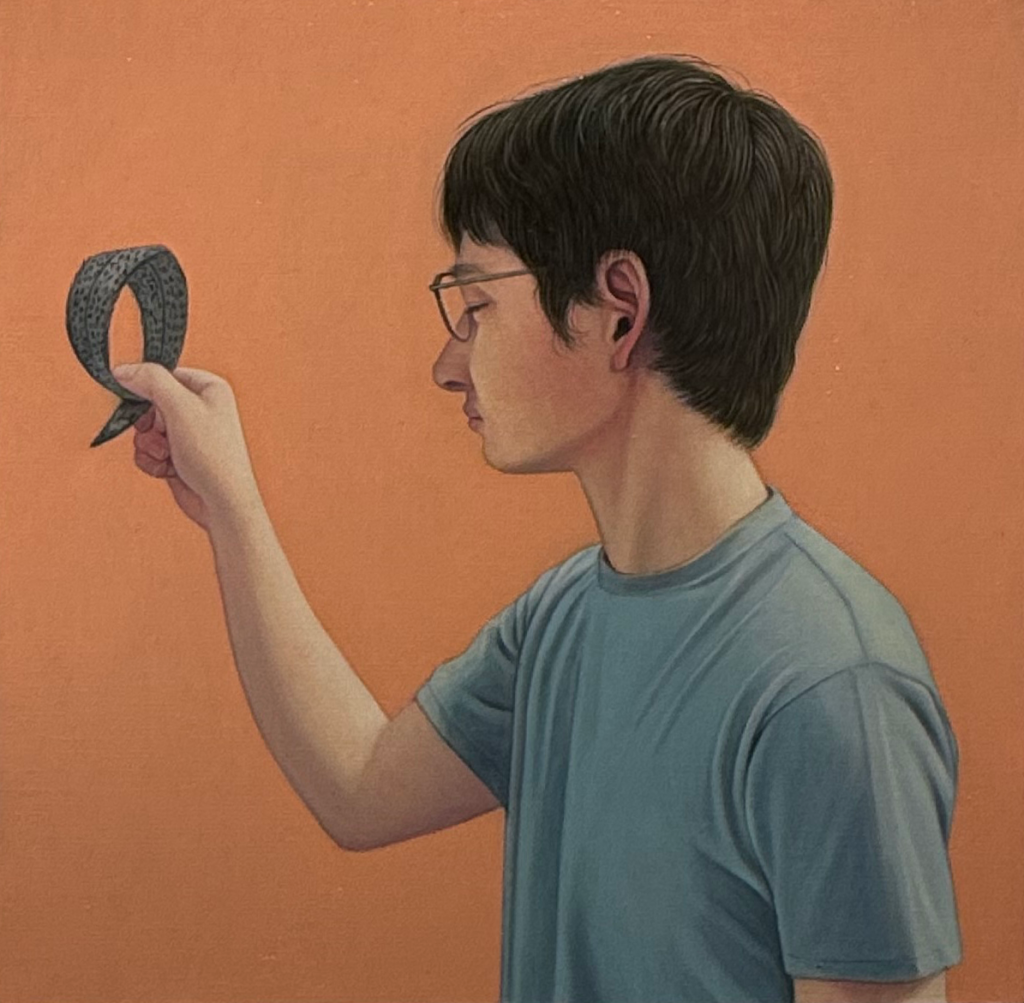
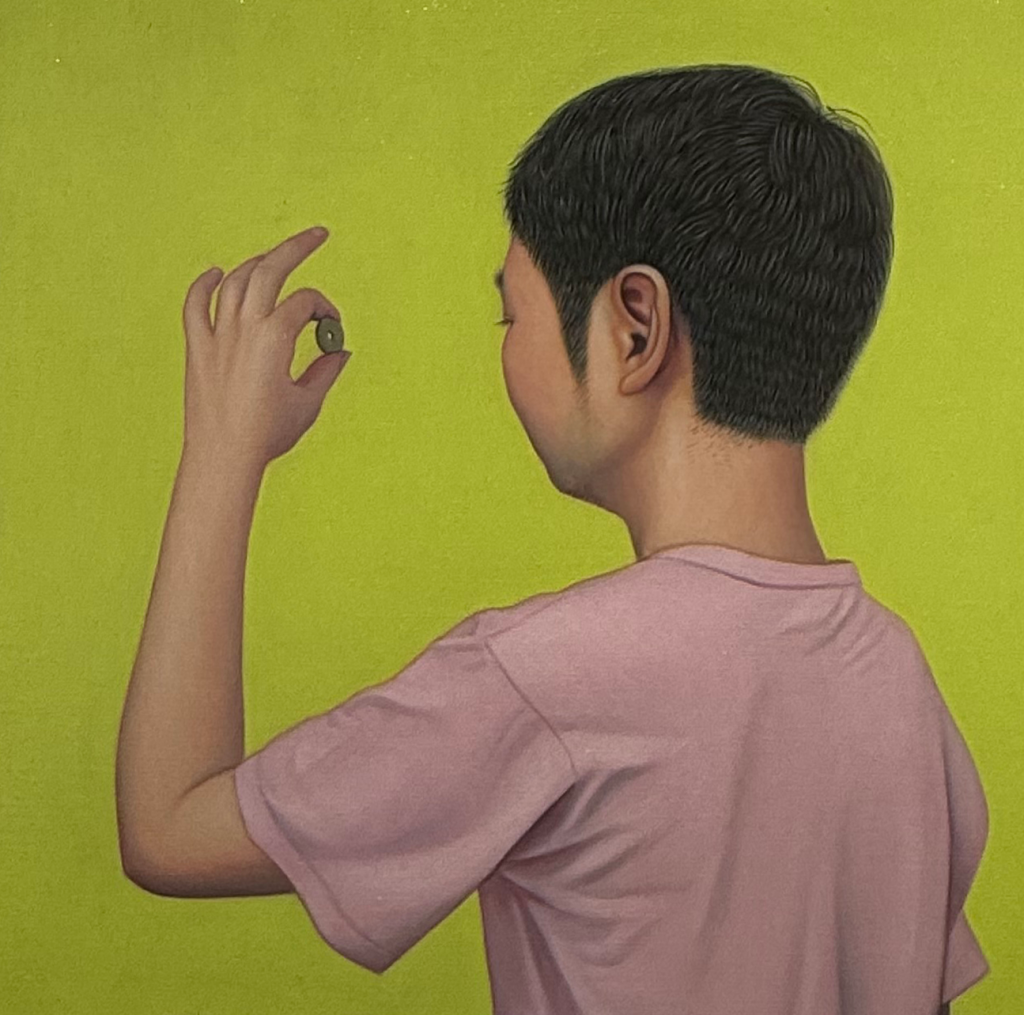
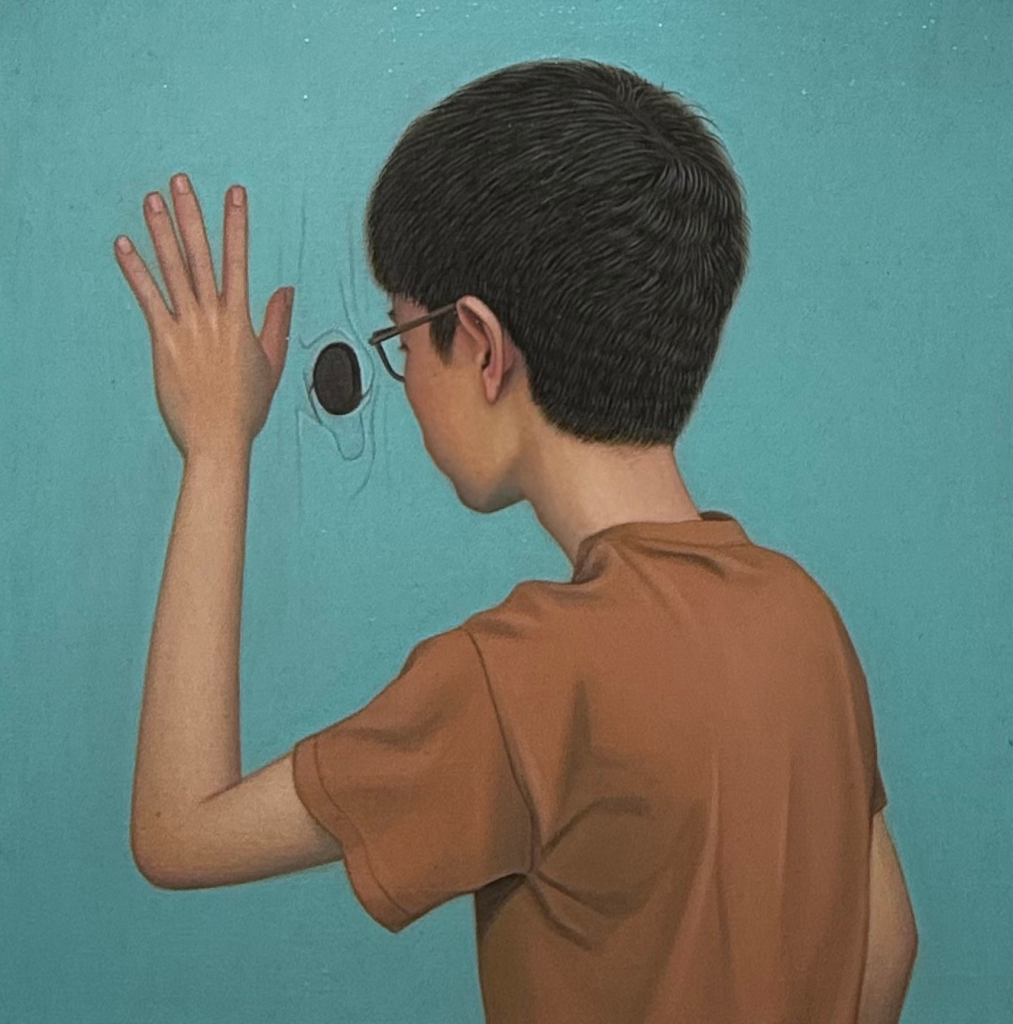
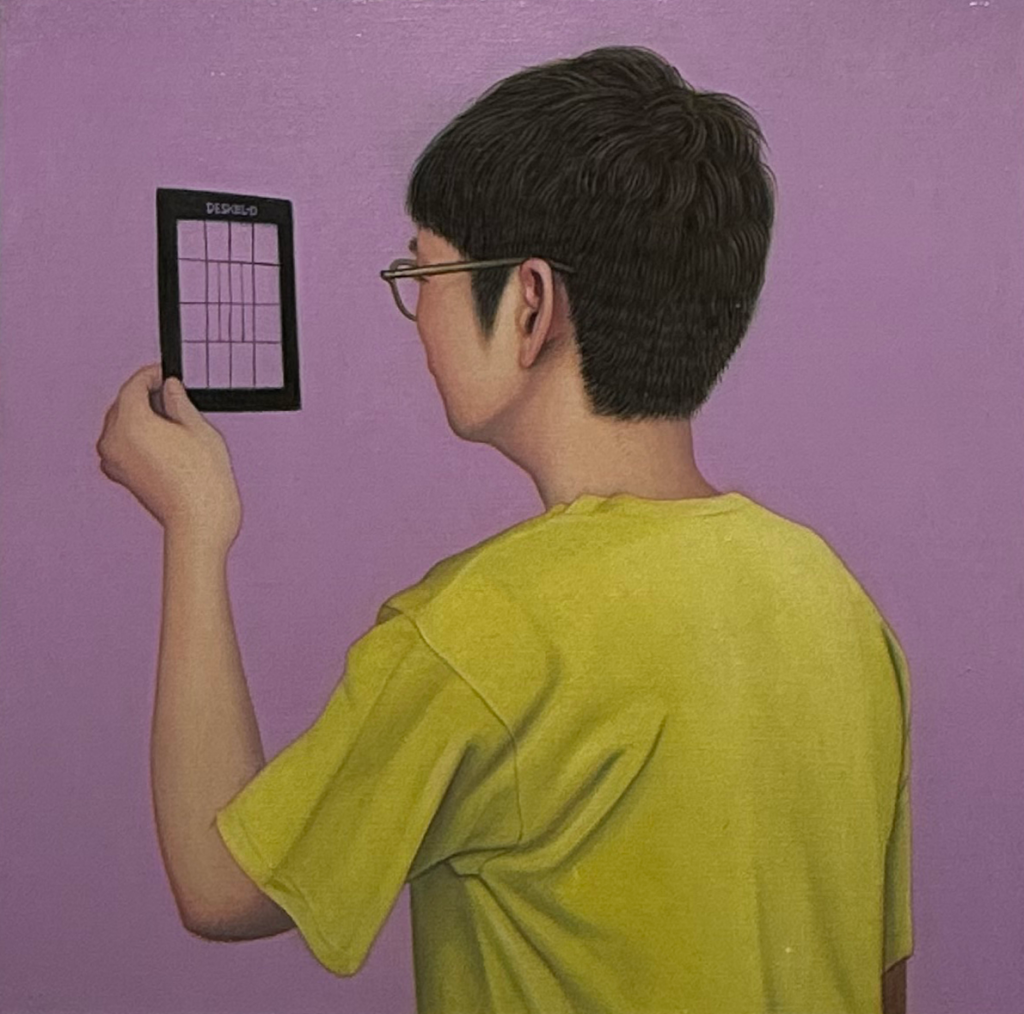
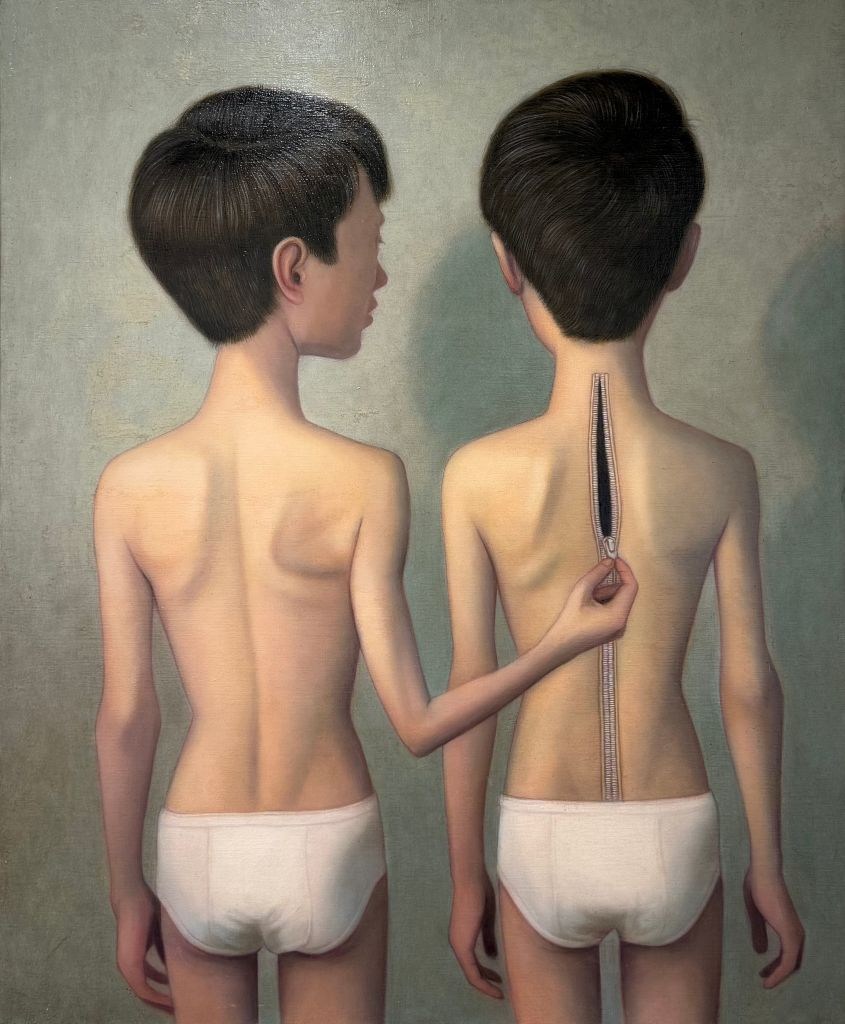
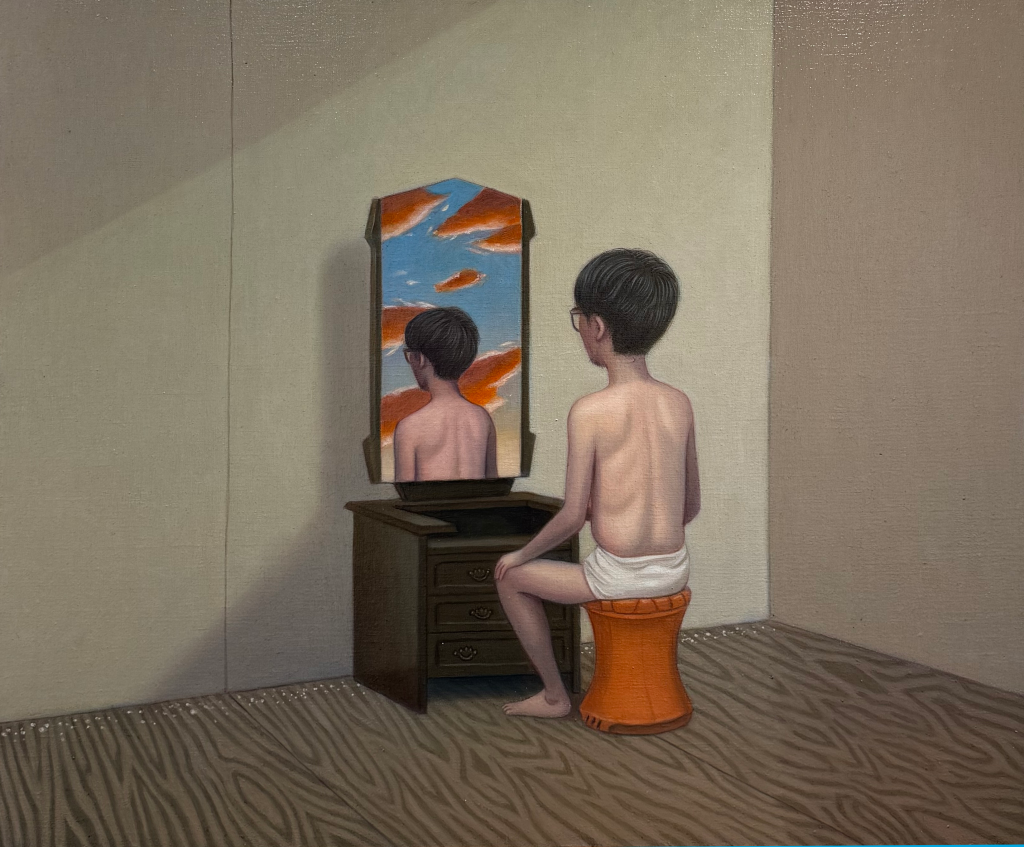
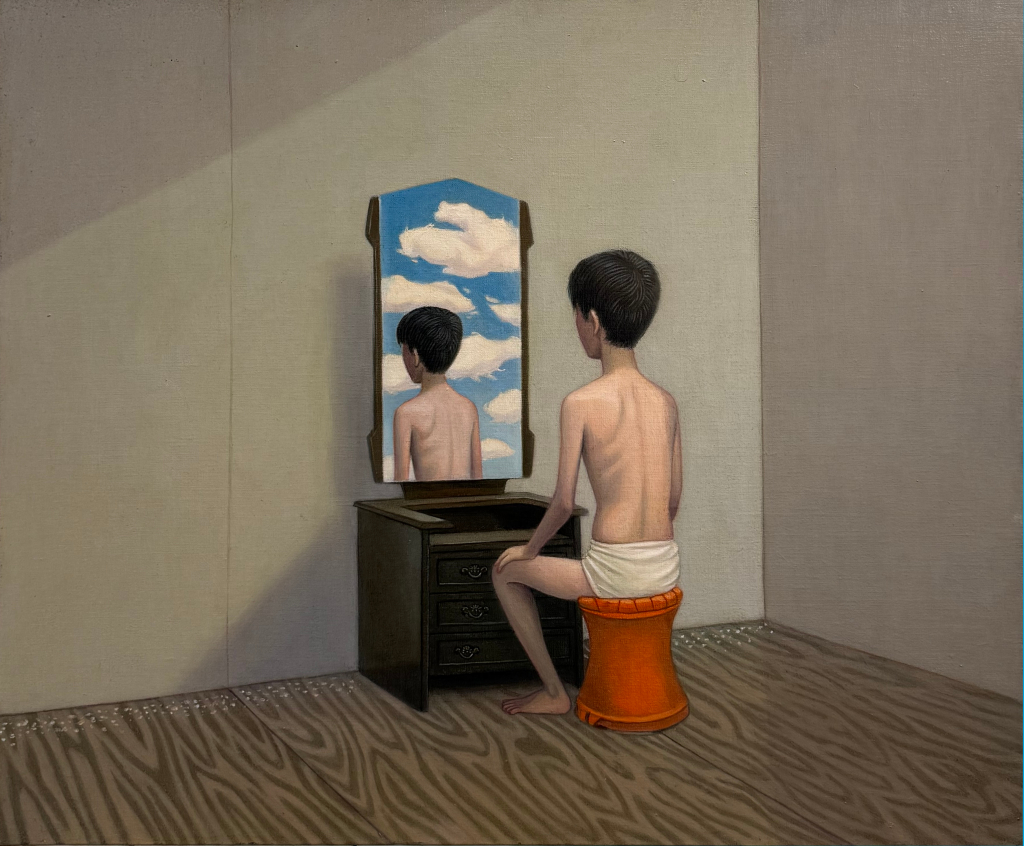
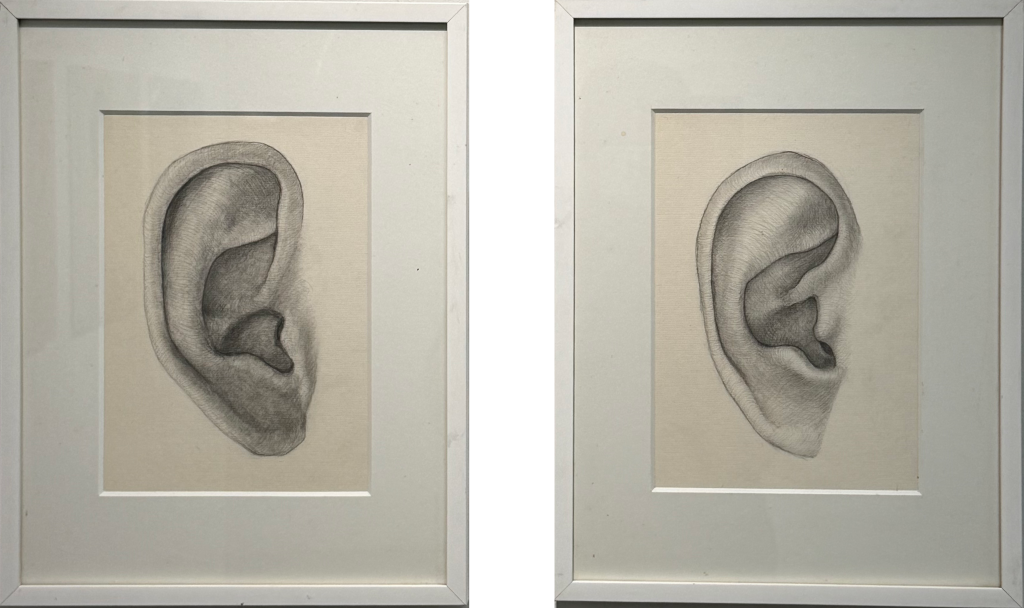
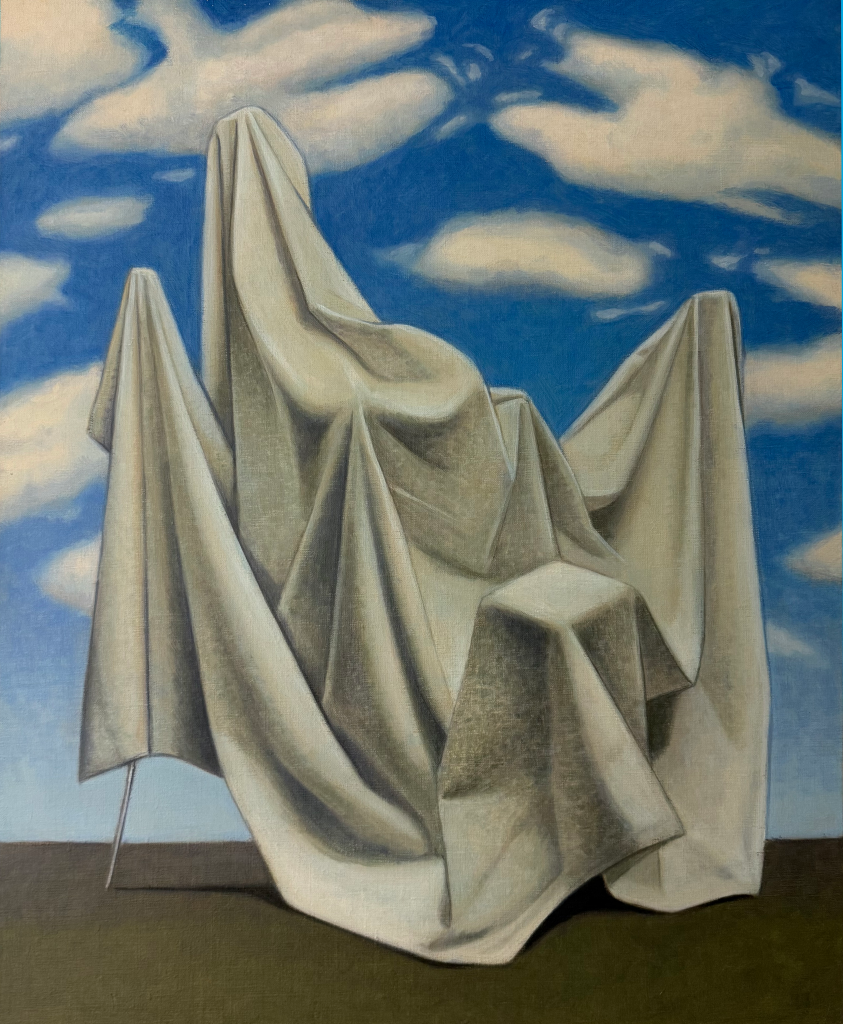
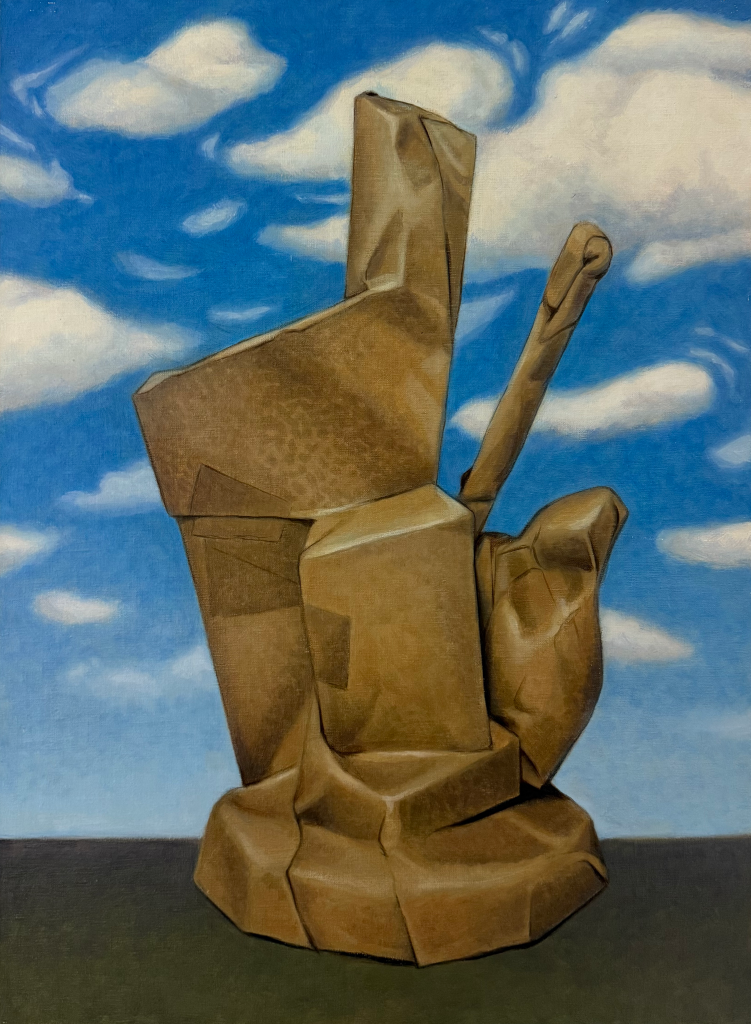
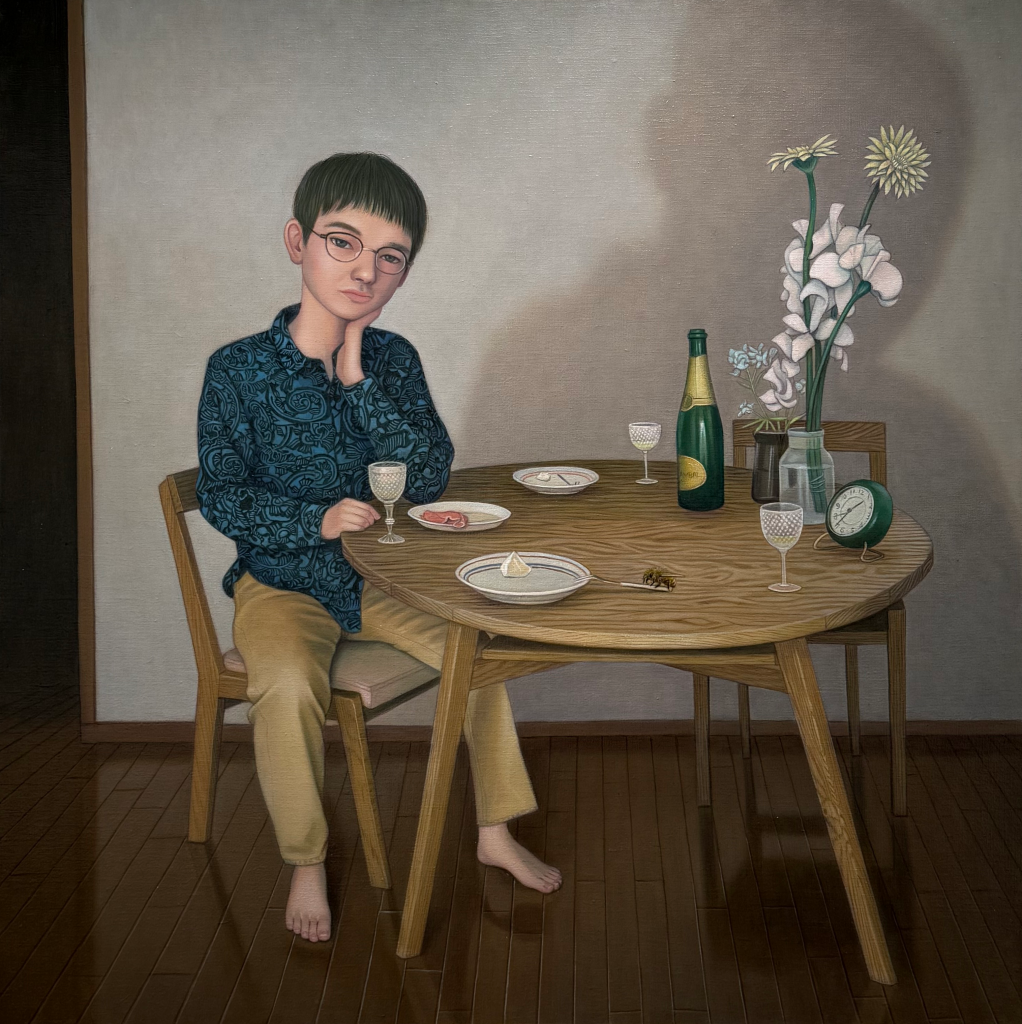
千葉県佐倉市の国立歴史民俗博物館には、覗く仕草を集めたコーナーがあって、木の設や節穴、鳥の卵を丸めたものから願いているイラストが資料と共に展示されている。日本には古くから、あるものを通すと霊が見えるといったように、何かを介して見ることで、普段は見えない世界が見えるという感覚が存在している。以前、ポートレートを描いている時に、ある人から「自分の顔を今、世界で一番見ているのはあなたですよね」と言われたことがあった。その言業以来、「自分はよりもこの人を見ているのだ、という感覚を強く意識するようになった。一方で、モデルを断られたこともある。しかし数日後、その人は”やっぱり描いでほしい」と言った。描かれる側には、見られることへの遺和感や葛藤が生まれる。そして描く側には、相手の内側へ踏み込もうとする意思が必要になる。その時、自分は対象を覗き込んでいるのだと強く意識した。そしてその覗くという行為そのものを作品にできるんじゃないかと思った。覗くという行為には、単に視線を向ける以上の意思が含まれている。対象に対しての観密さだったり、成慢さだったり、見てはいけないものを見たいという欲望だったり、そうしたものを介して、もう一つの世界が見えてくるのだと思う。
Yasushi Ebihara Another
July 7 (Tue) – July 25 (Sat), 2026
Opening Hours
Tuesday–Friday: 12:00 PM – 7:00 PM
Saturday: 12:00 PM – 6:00 PM
Closed: Mondays, Sundays, and Public Holidays
At the National Museum of Japanese History in Sakura, Chiba Prefecture, there is an exhibition section dedicated to the act of peering or looking through things. It displays historical materials alongside illustrations depicting people peeking through knotholes in wood, natural holes, or even hollowed bird eggs. In Japan, there has long existed the belief that looking through certain objects allows one to perceive spirits or unseen realms. The idea that viewing the world through a medium can reveal what is ordinarily invisible has been deeply rooted in Japanese culture.
While painting portraits, someone once said to me, “Right now, you’re probably the person in the world who has looked at my face more than anyone else.” Since hearing those words, I have become acutely aware of the feeling that I am seeing this person more deeply than they see themselves.
There have also been occasions when someone initially refused to be my model. Yet, a few days later, that same person returned and said, “Actually, I do want you to paint me.” For the person being portrayed, the experience of being looked at often gives rise to discomfort, hesitation, and inner conflict. For the painter, however, it requires the determination to step into another person’s inner world.
At that moment, I became intensely conscious that I was, in a sense, peering into my subject. It occurred to me that the very act of peering itself could become the subject of my work.
Peering is more than simply directing one’s gaze. It carries intention—curiosity toward the subject, arrogance, or even the desire to see something one is not supposed to see. It is through these impulses that another world gradually comes into view.